

When it comes to selecting the perfect natural stone for your project, two materials stand out for their durability, beauty, and versatility: travertine and granite. Both are popular choices for homeowners and designers, offering unique characteristics that make them suitable for a wide range of indoor and outdoor applications. However, their differences in texture, appearance, and maintenance requirements can make choosing between them a challenge.
Travertine, with its warm tones and natural, porous texture, is a favorite for creating elegant yet inviting spaces. Its earthy appearance and ability to stay cool underfoot make it especially appealing for outdoor areas like patios and pool decks. Granite, on the other hand, is celebrated for its strength, durability, and polished sophistication. Known for its stunning array of patterns and colors, granite is often used in high-traffic areas like kitchen countertops and flooring, where resilience is key.
Understanding the distinctions between travertine and granite is crucial for making an informed decision that aligns with your aesthetic and practical needs. While travertine offers rustic charm and a timeless appeal, granite’s sleek, polished surface and unmatched strength may be the better choice for certain applications. By considering factors such as durability, cost, maintenance, and design preferences, you can confidently choose the material that best suits your project.
In this guide, we’ll explore the key differences between travertine and granite, highlighting their unique features, pros and cons, and the best ways to incorporate them into your home or outdoor space. Whether you’re planning a new patio, a statement kitchen, or a luxurious bathroom, this comparison will help you decide which stone is the perfect fit for your vision.
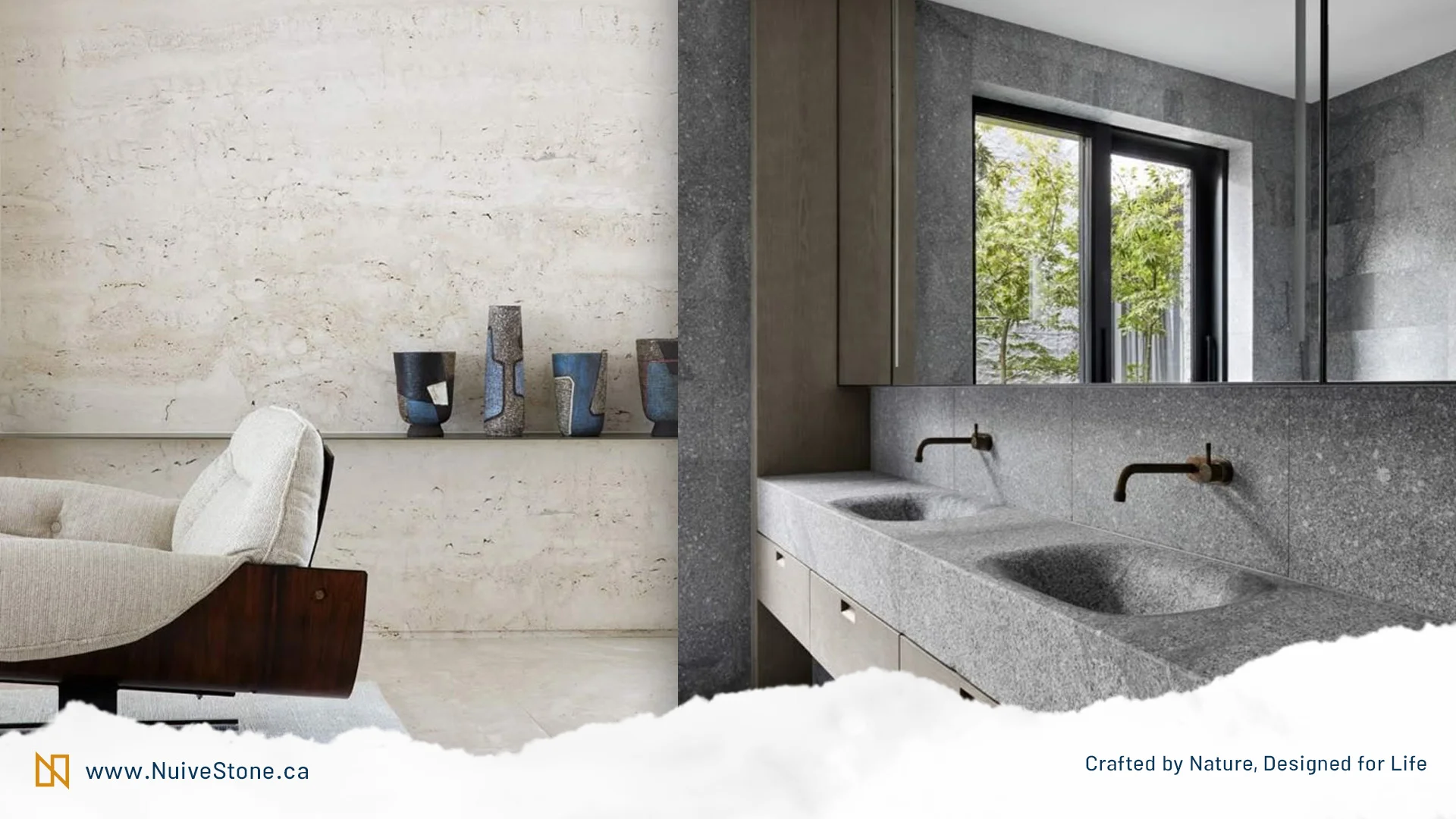
Travertine vs. Granite
Travertine: The Story of Hot Springs and Beauty
Travertine is a natural stone born from the mesmerizing process of mineral-rich water emerging from the earth’s hot springs. As the water cools and evaporates, dissolved calcium carbonate crystallizes to form layered rock formations, resulting in the stone’s unique patterns and textures. This geological process, which spans millennia, gives travertine its distinct porous appearance and organic beauty, making it one of the most sought-after materials in both interior and exterior design.
Typically characterized by warm, earthy tones such as cream, beige, and soft browns, travertine evokes a sense of natural elegance and timelessness. Its subtle variations in color and pattern are influenced by the minerals present during its formation, often creating a beautifully textured surface with intricate veining. These porous veins add character to the stone, making each piece uniquely one-of-a-kind. Travertine’s ability to complement a wide variety of design styles makes it a popular choice for patios, pool decks, bathrooms, and kitchens.
While travertine’s natural pores and textured surface contribute to its charm, they also make the stone more vulnerable to staining if not properly sealed. Acidic substances like wine, citrus juice, or vinegar can leave permanent marks if spills are not quickly cleaned up. However, with proper sealing and care, travertine becomes a durable and long-lasting material. Its light and airy appearance can transform spaces into serene, spa-like environments, particularly in bathrooms and showers.
Travertine is not only a beautiful choice but also an environmentally sustainable one, as it’s formed through natural processes. With the right maintenance, this stone brings warmth and elegance to any space, making it a favorite for those seeking organic beauty and a timeless aesthetic.
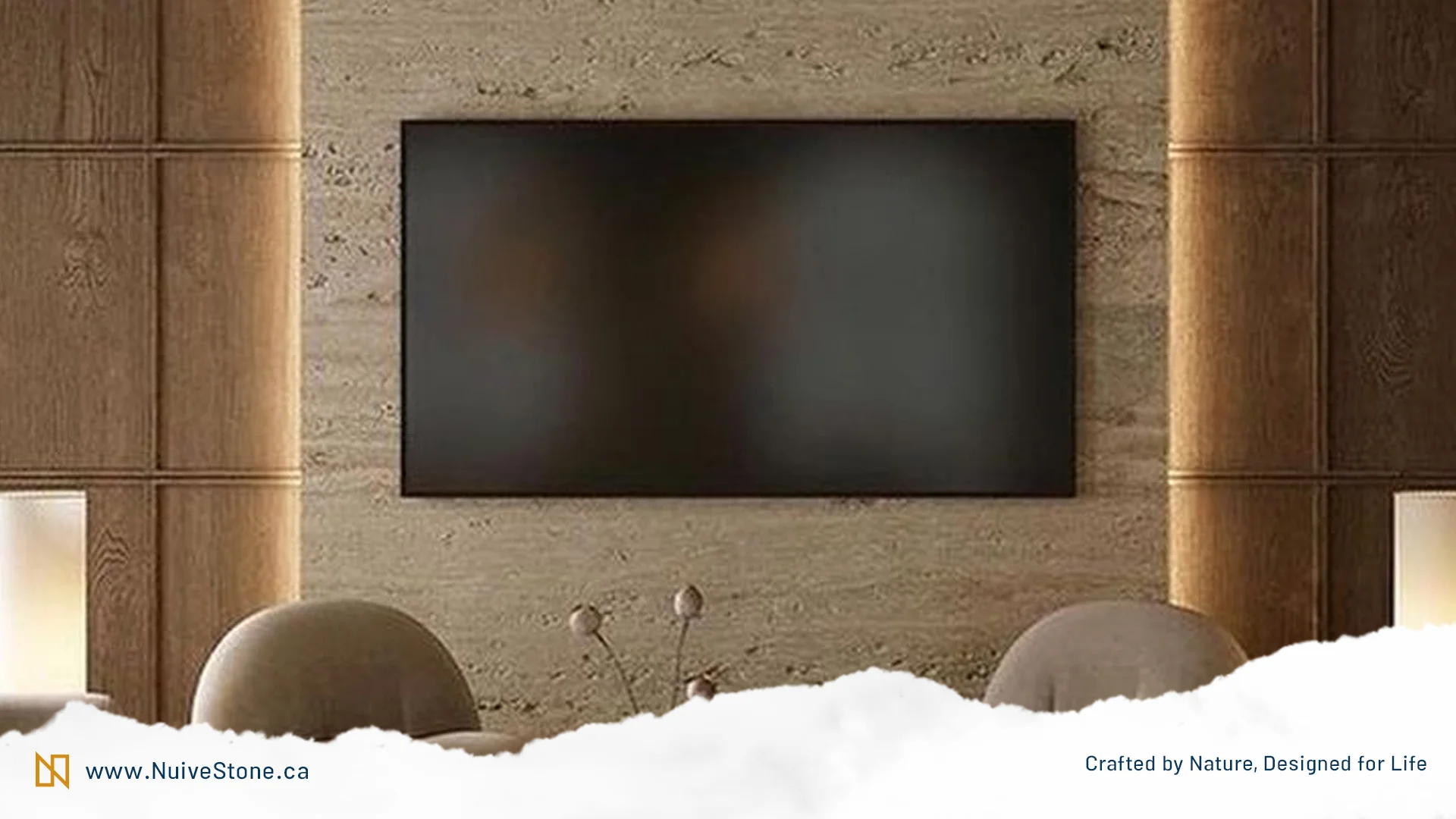
What is Travertine?
Granite: A Legacy of Strength and Durability
Granite is an igneous rock that forms deep beneath the earth’s surface through the cooling and solidification of molten magma. This natural process results in an exceptionally strong and dense material that has become synonymous with durability and elegance. Granite’s formation also creates its distinctive patterns and vibrant color variations, making it a popular choice for interior and exterior applications. With proper installation and sealing, granite can withstand the test of time, offering both beauty and functionality for decades.
One of granite’s standout features is its remarkable durability. Resistant to scratches, chips, and heat, granite is an ideal material for high-traffic areas like kitchen countertops, bathroom vanities, and flooring. Its ability to endure daily wear and tear while maintaining its structural integrity makes it a practical investment for any home. In addition, granite’s heat-resistant properties allow it to handle hot pans and pots without damage, making it a favorite for busy kitchens.
Beyond its strength, granite is celebrated for its aesthetic appeal. Available in a wide variety of colors—from classic black and white to warm browns, deep greens, and even exotic blues—it complements virtually any design style, whether modern, traditional, or eclectic. Its intricate patterns, created by natural mineral formations, add depth and sophistication to any space, making each slab of granite unique. This versatility makes granite a preferred choice for homeowners and designers looking to combine elegance with practicality.
However, granite’s dense and heavy nature means it requires professional installation, and regular sealing is essential to protect it from stains and maintain its polished finish. Despite these considerations, granite’s legacy as a durable, luxurious material makes it a timeless choice for those seeking strength, style, and longevity in their projects.
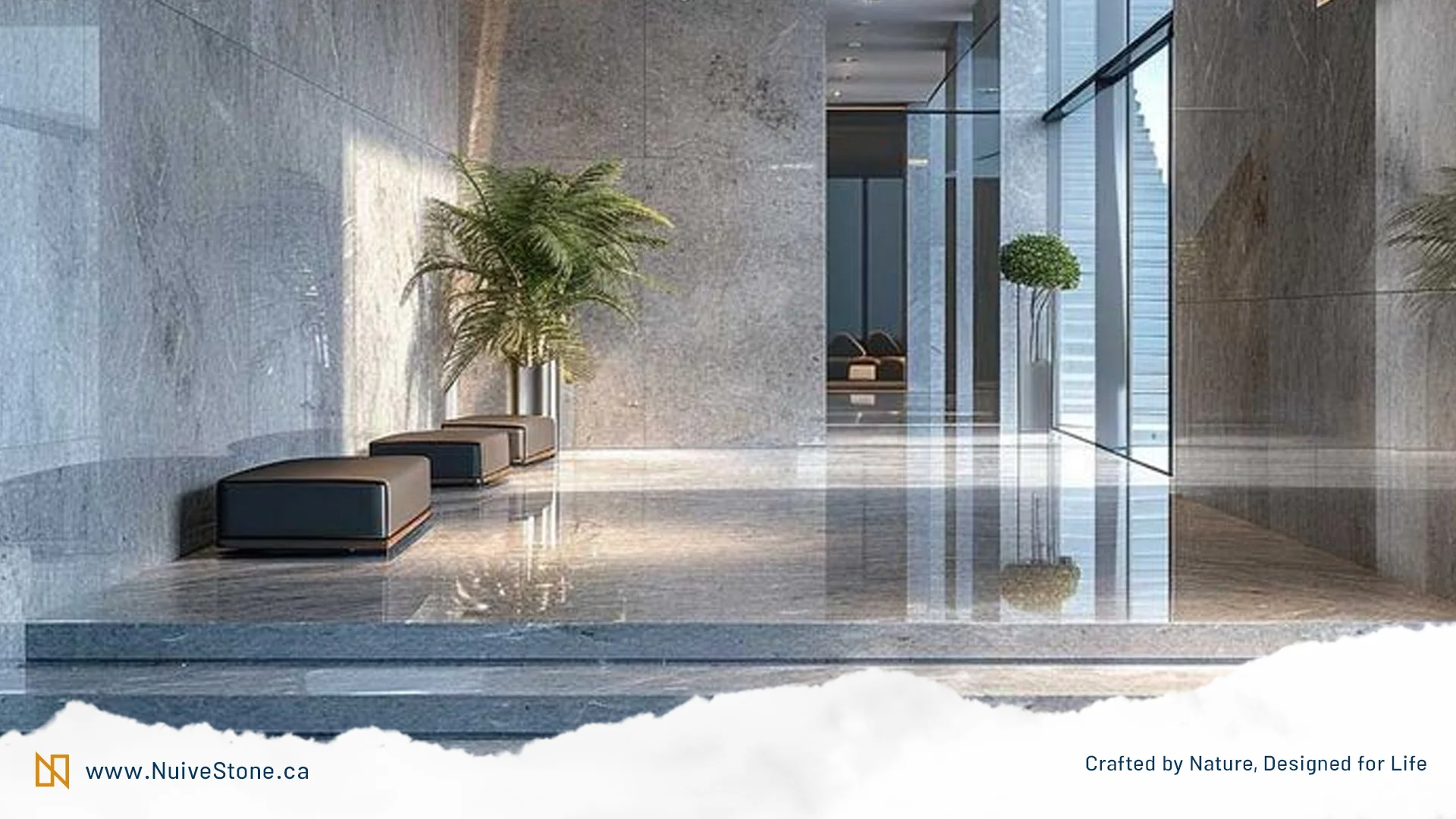
What is Granite?
Comparing the Options: Travertine vs. Granite
Choosing between travertine and granite comes down to factors such as appearance, durability, maintenance, cost, and best applications. Both stones offer stunning aesthetics and long-lasting performance, but they cater to different design preferences and functional needs. Understanding their differences will help you make the right choice for your space.
- Appearance and Aesthetic Appeal
Travertine is known for its warm, earthy tones, often featuring cream, beige, and soft brown hues with subtle variations in texture and color. Its signature porous surface adds a natural and organic charm, making it an excellent choice for creating rustic, Mediterranean, or spa-like spaces. Options like Classic Travertine and Silver Travertine showcase the rich textures and delicate veining that make this stone unique. Granite, on the other hand, offers a broader range of colors and patterns, from classic black and white to deep greens, reds, and browns. Its polished surface and bold, intricate veining make it a standout choice for those looking to add a dramatic and luxurious touch to their space.
- Durability and Maintenance Considerations
While both stones are durable, their maintenance needs differ. Travertine, being more porous, is prone to staining if not properly sealed. Regular sealing and gentle cleaning with mild soap and water are necessary to maintain its beauty, especially in high-traffic or moisture-prone areas. Granite, in contrast, is extremely dense and highly resistant to scratches, chips, and heat. Its lower maintenance requirements make it a hassle-free choice for busy households, requiring only occasional sealing and routine cleaning with a pH-neutral cleaner.
- Cost and Best Applications
Travertine is generally more affordable, particularly in tile form, making it a cost-effective option for homeowners looking to achieve a high-end look without a hefty price tag. It’s ideal for wall cladding, bathroom countertops, shower tiles, and pool areas, where its warm tones and organic feel enhance a variety of styles. Granite, being a premium stone, is often more expensive, especially in slab form. However, its durability and striking appearance make it a worthwhile investment for kitchen countertops, bathroom vanity tops, floors, and high-traffic areas where strength and elegance are paramount.
Ultimately, the decision between travertine and granite depends on your design vision, lifestyle, and budget. Whether you prefer the rustic charm of travertine or the refined durability of granite, both stones offer exceptional beauty and functionality to elevate your space.
Travertine or Granite: Choosing the Perfect Fit for Your Project
Deciding between travertine and granite comes down to your specific needs, design preferences, and lifestyle. Both stones offer timeless beauty and durability, but their distinct characteristics make them better suited for different applications. Whether you prioritize aesthetics, maintenance, or budget, understanding their unique properties will help you make the right choice for your space.
If you love warm, earthy tones and natural beauty, travertine is an excellent option. Its porous texture and organic veining give it a soft, inviting look, making it perfect for bathrooms, shower areas, pool decks, and outdoor patios. Travertine’s light and airy feel create a spa-like ambiance, and its ability to stay cool underfoot makes it ideal for sun-drenched spaces. However, it requires regular sealing and maintenance to preserve its beauty and prevent stains.
For those who prioritize durability, practicality, and bold aesthetics, granite is the superior choice. With its high resistance to scratches, chips, and heat, it’s perfect for kitchen countertops, bathroom vanities, and high-traffic flooring. Granite’s vibrant colors and striking patterns add sophistication and elegance to any space. Additionally, its low-maintenance nature makes it a hassle-free option for homeowners who want lasting durability with minimal upkeep.
When selecting between travertine and granite, consider the application, maintenance requirements, and budget. If you need a durable stone for high-traffic areas, granite is the better option. If you prefer a natural, rustic aesthetic, travertine works beautifully in landscaping, pool surrounds, and decorative features. Regardless of your choice, working with a reputable supplier and professional installer ensures the quality, longevity, and success of your project.
Conclusion
When it comes to choosing between travertine and granite, both stones offer unique benefits that can enhance your space’s beauty and functionality. Travertine’s warm, earthy tones and natural texture make it a favorite for outdoor patios, pool decks, and spa-like interiors, while granite’s durability and striking patterns make it an excellent choice for kitchen countertops, bathroom vanities, and high-traffic flooring. Understanding their differences in appearance, maintenance, and longevity is key to selecting the right stone for your project.
If you value a natural, rustic look and don’t mind a little extra maintenance, travertine is a fantastic option for creating warm and inviting spaces. On the other hand, if you need a strong, low-maintenance stone that can withstand daily wear and tear, granite is the ideal choice for both residential and commercial applications. No matter which stone you choose, quality materials and professional installation are essential for ensuring long-lasting results.
At Nuivestone, we offer a premium selection of travertine, granite, and other natural stones to help you bring your vision to life. Our expert team is ready to guide you through the selection process, ensuring you find the perfect material that suits your style, budget, and functional needs.

Honed vs. Polished Stone: What Is the Difference?
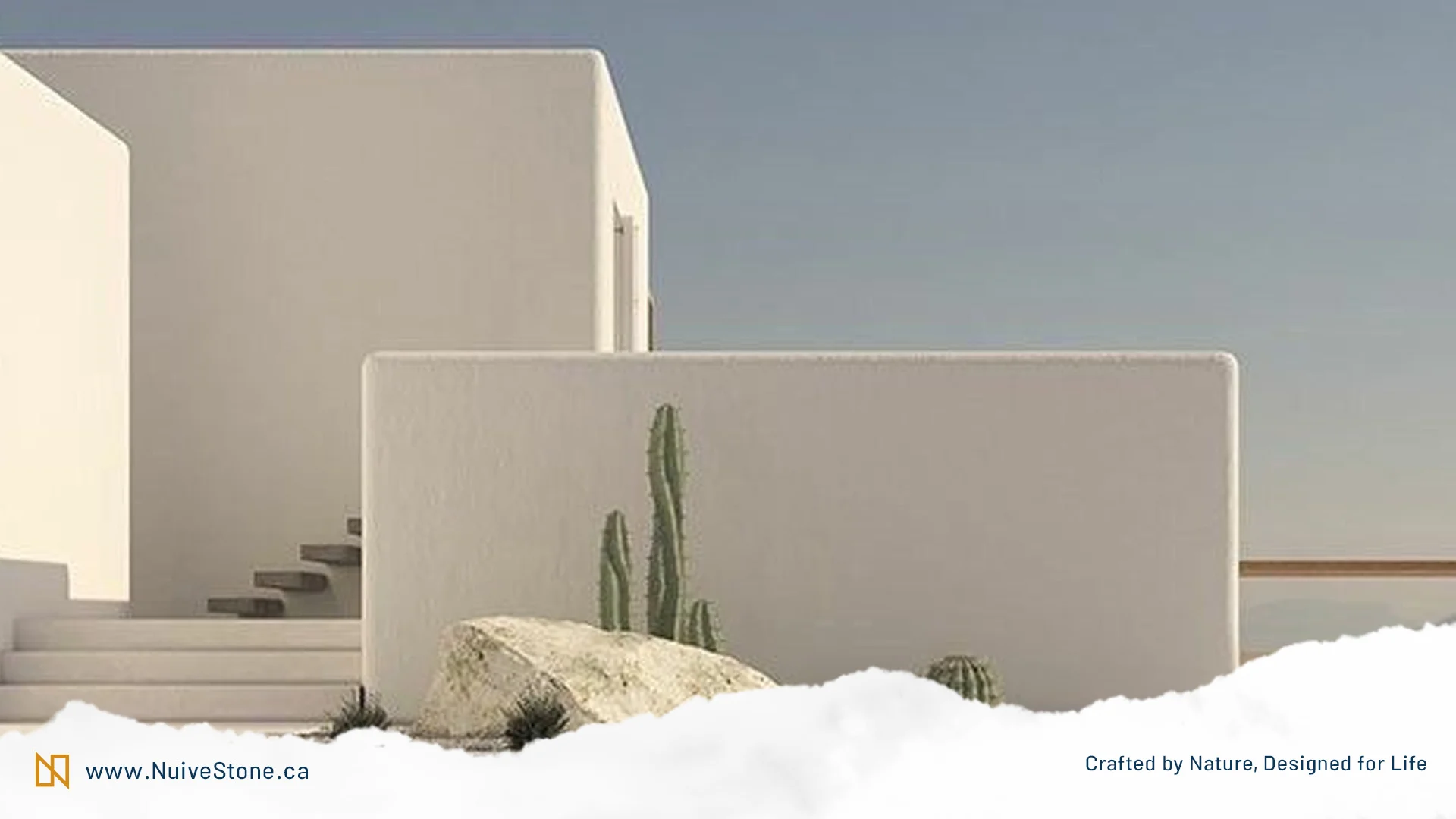
How to Maintain and Clean Decorative Landscape Rocks?