

Natural stones like marble and limestone have been prized for centuries for their beauty, durability, and versatility. From ancient monuments to modern architecture, these stones have been used to create structures and spaces that exude elegance and timelessness. While both are widely popular in homes and commercial spaces, marble and limestone differ significantly in composition, appearance, and applications, making each uniquely suited to specific uses.
For homeowners and designers alike, understanding the distinctions between these two natural stones is essential for making informed decisions. Limestone is often associated with its rustic, earthy tones and soft texture, making it a go-to choice for creating warm, inviting spaces. On the other hand, marble is synonymous with luxury and sophistication, characterized by its dramatic veining and polished finish, ideal for spaces that demand elegance and refinement.
Despite their differences, marble and limestone also share commonalities, such as their natural beauty, durability, and ability to elevate the aesthetic appeal of indoor and outdoor spaces. Whether you’re considering these stones for flooring, countertops, or architectural details, knowing their unique properties and how they perform in various settings is key to selecting the right material for your project.
In this guide, we’ll explore the similarities and differences between marble and limestone, helping you understand their strengths, weaknesses, and ideal applications. By the end, you’ll have the knowledge to choose the perfect natural stone for your home or project, ensuring a balance of style, function, and longevity.
What Is Marble?
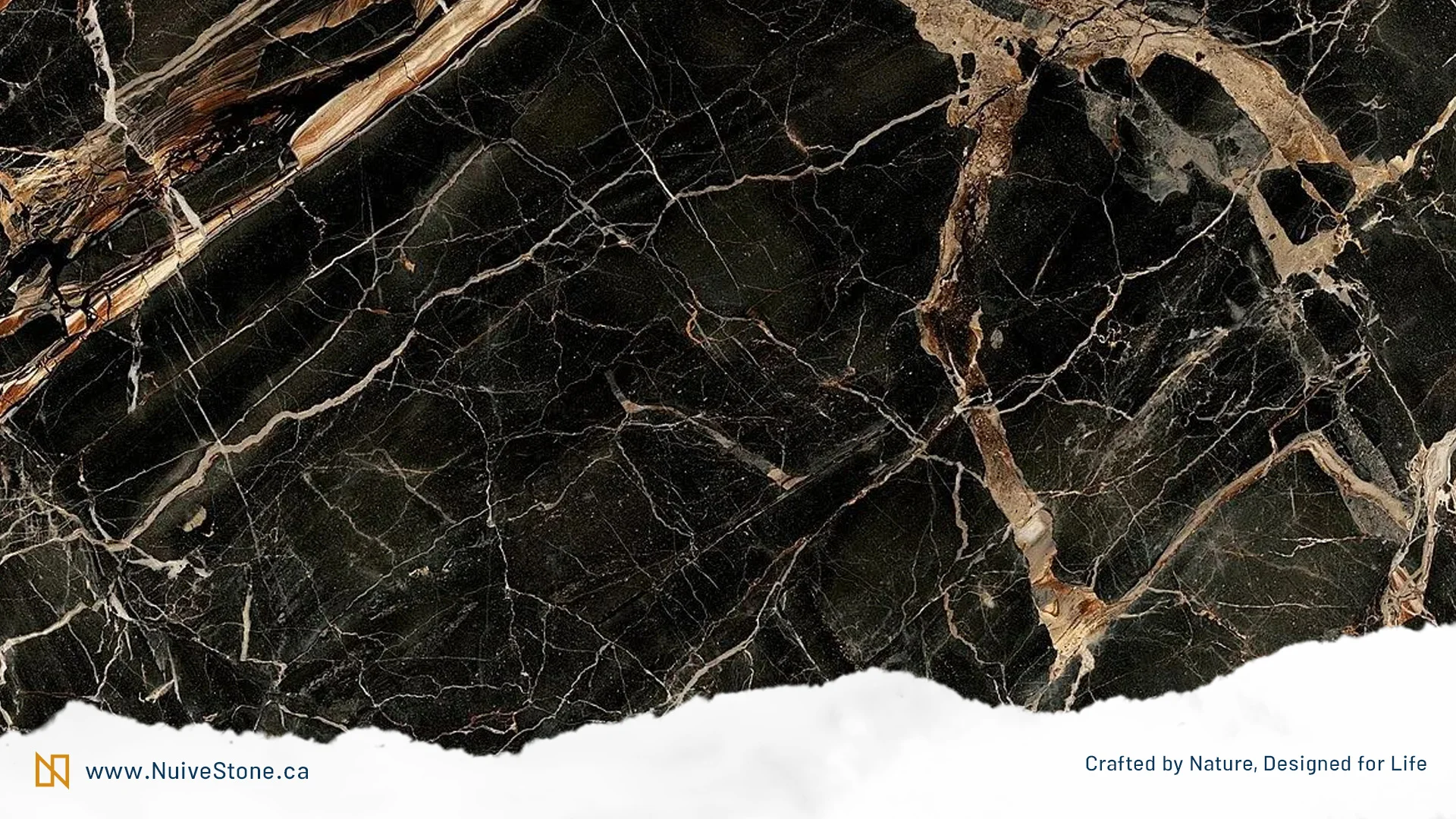
Marble is a metamorphic rock that begins its life as limestone. When limestone is subjected to intense heat and pressure deep within the Earth’s crust, it undergoes a process called recrystallization. During this transformation, the stone’s calcite crystals interlock and grow, creating marble’s signature dense, smooth texture. Impurities such as clay, sand, or iron oxides present during this metamorphic process often result in the stunning veins and swirls that make marble so distinctive and highly sought after.
This luxurious natural stone is composed primarily of calcite, dolomite, or serpentine, and its mineral composition gives marble its characteristic appearance and wide range of colors. The purest marble, formed with minimal impurities, is dazzling white, while the presence of other minerals creates hues of yellow, green, pink, or gray. This variability ensures that every slab of marble is one-of-a-kind, contributing to its status as a symbol of sophistication and elegance.
Marble is quarried in many parts of the world, with Italy, India, China, and Spain being the leading exporters. Countries like Turkey, Greece, and the United States also produce significant quantities. After quarrying, marble is cut into slabs, polished, and distributed for use in construction and design. Its applications are vast, ranging from iconic monuments like the Taj Mahal to decorative elements in modern homes, such as countertops, flooring, and fireplaces.
Renowned for its beauty and timeless appeal, marble has been a material of choice for centuries in sculptures, architecture, and interior design. Its ability to elevate any space with its natural elegance makes it a favorite for homeowners and designers, especially for areas that call for a luxurious and refined look.
What Is Marble?
What Is Limestone?
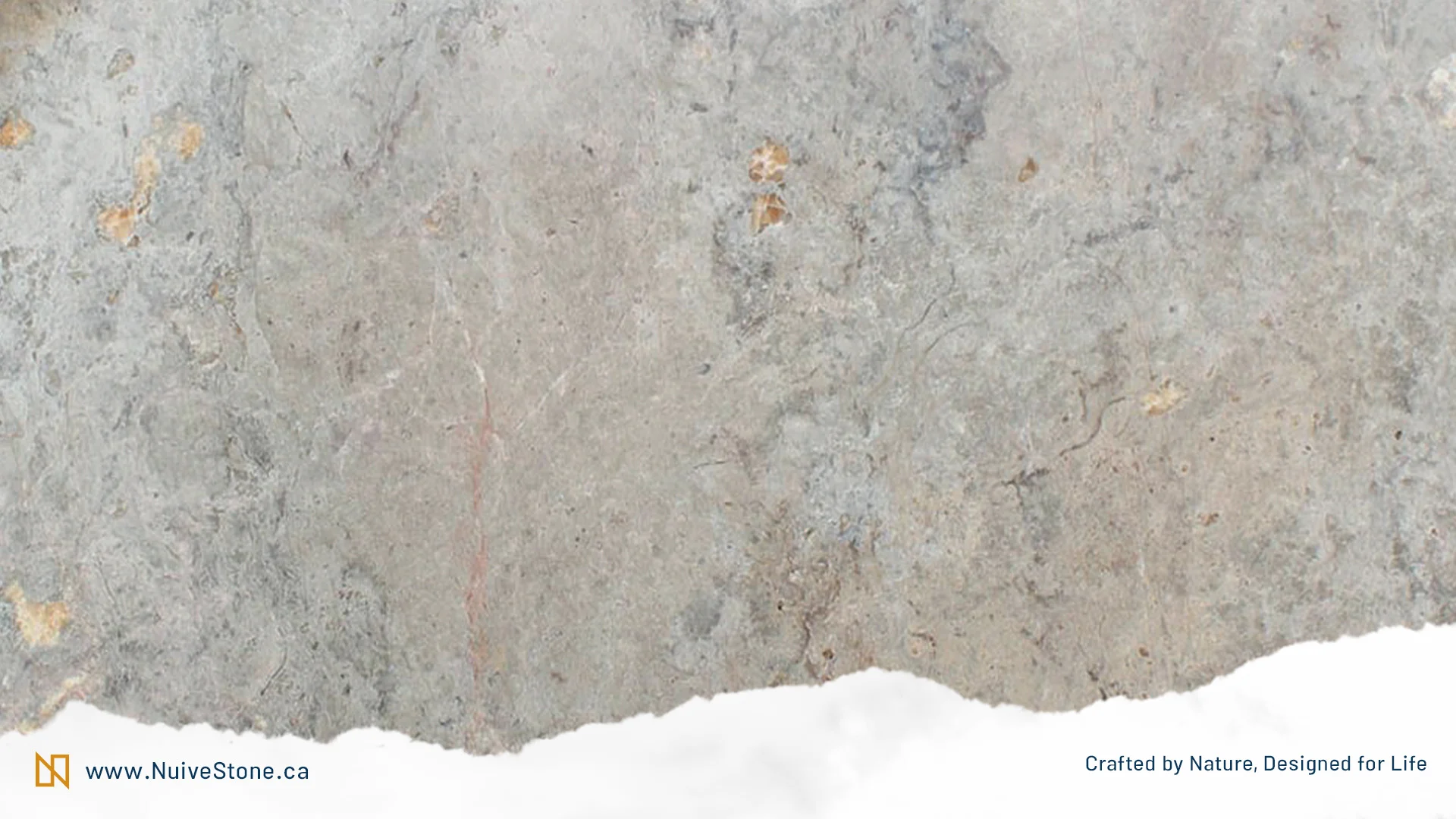
Limestone is a sedimentary rock formed over millions of years, primarily composed of calcium carbonate. This natural material originates from the accumulation of shells, skeletons, and other remains of marine organisms like clams, mussels, and coral on ancient ocean floors. These organisms use calcium carbonate found in seawater to build their exoskeletons and bones. After they die, their remains are broken down by waves, settle on the ocean floor, and, over time, are compacted into sediment by the weight of the water above, eventually forming limestone.
This fascinating process often leaves limestone rich in visible fossils, giving it a unique and organic appearance that is both rustic and charming. Limestone can be found in areas where large bodies of water once existed and have since receded, such as canyons and cliffs. The Great Lakes region in the United States, particularly Michigan, Indiana, and Illinois, has significant limestone deposits. Globally, limestone is quarried in regions like the Mediterranean Basin, including France, Italy, Spain, Israel, and Egypt.
Limestone’s natural beauty and variety make it a highly versatile stone for construction and design. Its neutral tones—ranging from soft creams and beiges to darker grays—make it a favorite for flooring, fireplaces, and architectural accents. Its ability to be carved and shaped with ease also makes it an ideal material for intricate details, such as mantels and columns.
As one of the most abundant sedimentary rocks, limestone comprises about 10% of all sedimentary rock formations on Earth. Its organic origins, fossilized patterns, and adaptability have made limestone a popular choice for homeowners and architects looking to bring timeless elegance and a touch of nature into their spaces.
What Is Limestone?
Common Applications of Two Stones
Marble and limestone, with their distinct characteristics and timeless appeal, have been integral to architecture and design for centuries. While each stone serves similar purposes in construction and aesthetics, their unique properties make them ideal for different applications in residential and commercial spaces.
Applications of Marble
Marble is synonymous with luxury and prestige, making it a favorite material for high-end architecture and interior design. Its dramatic veining and polished finish lend a sense of sophistication to any space. Marble is commonly used for countertops, vanities, and flooring, transforming kitchens and bathrooms into elegant, opulent spaces. Additionally, its versatility and beauty make it a popular choice for fireplace surrounds, columns, fountains, and even statuary.
From ancient temples to modern luxury homes, marble has been a go-to material for those looking to make a bold design statement. Its timeless association with wealth and artistry is evident in iconic structures like the Taj Mahal and Michelangelo’s sculptures. For homeowners and designers, incorporating marble into a space instantly elevates its aesthetic value.
Applications of Limestone
Limestone, with its soft, natural tones and rustic charm, is prized for its versatility and durability in both residential and commercial construction. It is widely used in fireplace surrounds, exterior facades, and flooring, where its warm, earthy hues create inviting spaces. Limestone is also a popular choice for pavers and landscaping, thanks to its porosity and ability to blend seamlessly into outdoor environments.
Historically, limestone has been a key material in monumental architecture, as seen in the construction of the Pyramid of Giza and medieval cathedrals. Today, it continues to be a preferred stone for creating timeless, understated elegance in homes and public buildings. Its ease of carving also makes it suitable for intricate detailing, adding texture and depth to both modern and traditional designs.
While marble exudes luxury and refinement, limestone offers a warm, organic appeal, making each stone uniquely suited to specific applications. Whether you’re aiming for an extravagant statement or a natural, grounded look, both materials bring durability and beauty to any project.
Marble vs. Limestone: A Detailed Comparison
Both marble and limestone are celebrated for their beauty and versatility, often used in construction and decorative applications. While they share a common origin as calcium carbonate-based stones, their distinct characteristics—such as durability, appearance, and maintenance requirements—make them suited for different uses. Understanding these differences can help you decide which material is the best fit for your project.
- Durability and Hardness
Limestone is a softer, more porous material, rated at 3 on the Mohs scale of hardness. Its relative softness makes it easier to carve and shape, but it’s also more susceptible to scratches, chips, and moisture absorption. Marble, on the other hand, is slightly harder, with a Mohs rating between 3 and 4. Its denser structure makes it more durable than limestone, though it’s still prone to etching and staining when exposed to acidic substances. Both stones require sealing to enhance their longevity and protect against wear and tear, but marble generally performs better in high-traffic areas.
- Visual Appeal and Variety
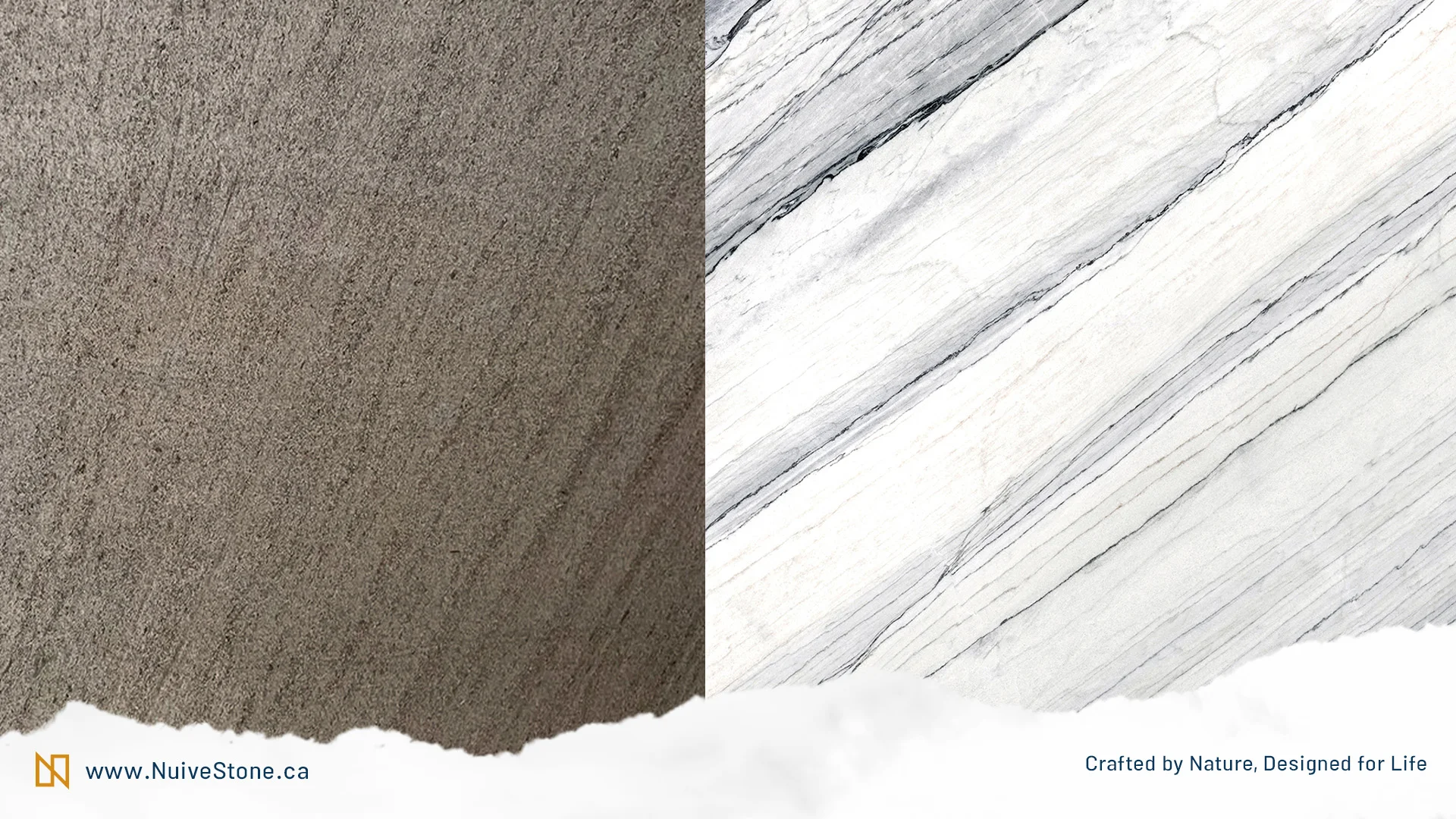
One of the most noticeable differences between marble and limestone is their visual appeal. Limestone is known for its muted, earthy tones like gray, tan, and brown, often featuring fossilized impressions that add a rustic, natural charm. Marble, however, is prized for its dramatic veining and polished finish. Its light base colors, often white or cream, are complemented by bold veining in shades of gray, black, or even pink, depending on the impurities present during its formation. Marble offers a greater variety of colors and patterns, making it a favorite for luxurious, statement-making designs.
- Cost and Maintenance
When it comes to cost, limestone is typically more affordable, ranging from $45 to $90 per square foot. Its lower price point and natural appeal make it an economical choice for larger projects like pavers or exterior facades. Marble, on the other hand, can range from $40 to $200 per square foot, depending on the quality, pattern, and veining. While both stones require regular maintenance, including sealing and cleaning, marble’s susceptibility to etching and stains often necessitates professional care, particularly for surfaces like countertops and vanities.
In summary, while marble offers unmatched elegance and a polished aesthetic, limestone brings warmth, charm, and affordability. The choice between these two natural stones ultimately depends on your budget, desired look, and the functional demands of your space. By considering these factors, you can select the stone that best aligns with your vision and needs.
A Detailed Comparison between marble and limestone
Which One Is More Durable?
When comparing marble and limestone in terms of durability, both stones are robust and long-lasting, but their strength and resilience differ due to their composition and formation process. Limestone is considered “young marble” because it hasn’t undergone the intense heat and pressure that transform it into marble. As a result, limestone is softer and more porous, with small openings between its fossil fragments. Marble, on the other hand, is denser and harder thanks to its metamorphic transformation, giving it a slight edge in durability.
On the Mohs scale of mineral hardness, limestone is typically rated at 3, while marble falls between 3 and 4. While this difference may seem small, it has practical implications depending on how the stone is used. For example, limestone’s softer nature makes it easier to carve, which is ideal for intricate fireplace mantels or decorative details. However, its porosity means it’s more prone to staining and moisture absorption, making it less suitable for high-traffic or high-moisture areas like kitchen countertops. Marble, being slightly harder, is better equipped to handle wear and tear, making it a popular choice for countertops, floors, and other interior applications.
That said, both marble and limestone are vulnerable to acid exposure. Spilled acidic substances like lemonade, vinegar, or wine can etch the surface of either stone, leaving permanent marks that require professional resurfacing or re-honing. This sensitivity means that regular sealing and careful maintenance are crucial for preserving the appearance and longevity of both stones.
Ultimately, durability depends on the intended application. For outdoor spaces or large-scale projects like pavers, limestone may be more cost-effective, despite its slightly lower durability. For interior spaces where aesthetics and strength are equally important, marble often takes the lead. Understanding the unique properties of each stone ensures you choose the one that best suits your design goals and functional requirements.
Limestone to Marble: The Visual Differences
Although limestone and marble share some similarities due to their shared calcium carbonate composition, their visual differences are often quite distinct. These differences primarily stem from their formation processes and mineral content, making each stone unique in appearance and suitable for different design preferences.
Limestone: Natural and Subtle
Limestone typically exhibits a softer, more muted look with natural tones like gray, tan, beige, and brown. Its earthy color palette creates a warm, understated aesthetic, making it an ideal choice for spaces aiming for a rustic or natural feel. One of limestone’s most distinctive features is the presence of fossil impressions, which add texture and visual interest to the stone, connecting it to its ancient, organic origins. Variations rich in organic material can appear almost black, while traces of iron or manganese may result in hues ranging from off-white to yellow or reddish tones. This natural variety gives limestone an unpolished, grounded charm that’s perfect for outdoor applications or traditional interior designs.
Marble: Bold and Elegant
Marble, on the other hand, is celebrated for its dramatic veining and polished finish, offering a more refined and luxurious appearance. Typically, lighter in color, marble is often white, cream, or light gray when formed with minimal impurities. However, the presence of clay minerals, iron oxides, or bituminous materials can create stunning variations, resulting in shades of bluish-gray, pink, yellow, green, or even black. Iconic types like Thassos marble, renowned for its pure, dazzling white, and exotic varieties like Bahai Blue showcase the wide range of colors and patterns that marble can offer. These characteristics make marble the preferred choice for spaces that demand sophistication and visual impact.
While both limestone and marble are visually striking in their own ways, marble offers greater variety and an inherently polished elegance, while limestone provides a more natural and organic appeal. Whether you’re designing a modern, high-end interior or a rustic outdoor space, understanding the visual distinctions between these stones can help you choose the one that best complements your style.
Conclusion
Marble and limestone are two exquisite natural stones, each with its own unique beauty, characteristics, and applications. While marble is celebrated for its dramatic veining, luxurious finish, and refined appeal, limestone offers a softer, rustic charm with natural tones and fossilized impressions. Both stones bring timeless elegance to spaces, whether they’re used for countertops, fireplaces, flooring, or outdoor features. The choice ultimately depends on your design vision, budget, and the specific requirements of your project.
When deciding between marble and limestone, factors such as durability, maintenance, and visual preferences should be considered. Marble’s polished sophistication makes it a favorite for opulent interiors, while limestone’s earthy hues are perfect for creating warm, inviting spaces. Both stones require regular care to maintain their beauty, but with proper maintenance, they’ll continue to enhance your home for years to come.
At Nuivestone, we understand the significance of choosing the perfect natural stone for your space. Our expert team is here to guide you in exploring the best options, whether you’re leaning toward the bold elegance of marble or the understated beauty of limestone. We offer a wide selection of premium-quality stones to ensure your project is a reflection of your unique style and needs.

Honed vs. Polished Stone: What Is the Difference?
How to Maintain and Clean Decorative Landscape Rocks?